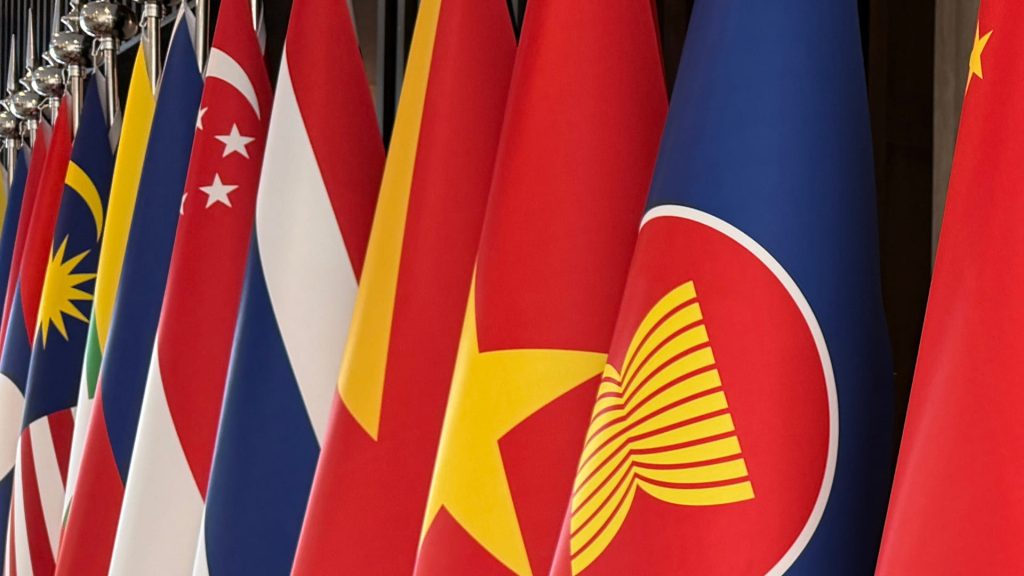

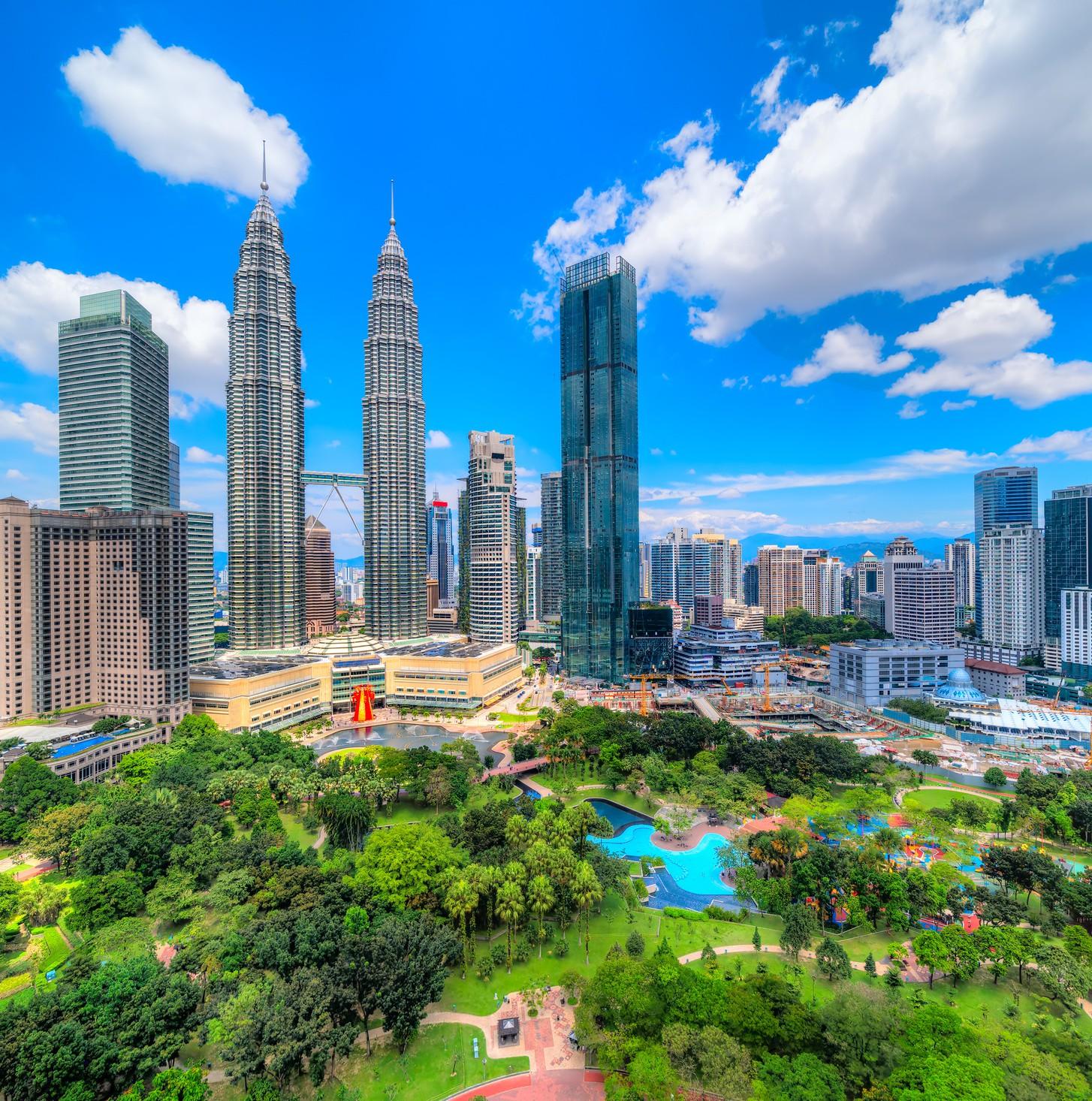
As Malaysia shoulders the ASEAN Chairmanship for 2025, Prime Minister Datuk Seri Anwar Ibrahim stands at a critical juncture in regional integration under the theme “Inclusivity and Sustainability”. Malaysia’s leadership will be instrumental in advancing the ASEAN Community Vision 2045, fostering deeper economic integration, and ensuring equitable development across all member states2. The strategic framework emphasizes collaborative governance, innovative policy solutions, and inclusive economic growth that bridges development gaps, accelerates digital adoption, and establishes robust mechanisms for sustainable trade and investment. Through principled leadership and strategic vision, Malaysia aims to position ASEAN as a unified, resilient regional bloc ready to address 21st-century challenges while maintaining its foundational principles of consensus-building and mutual respect for sovereignty.

Leadership Vision and Strategic Approach
The Prime Minister’s leadership approach centres on collaborative pragmatism, recognizing that ASEAN’s strength lies in its diversity while acknowledging the need for common goals and shared prosperity. This philosophy emphasizes consensus-building through structured bilateral consultations with each member state before major initiatives and creating flexible implementation timelines that accommodate different national capabilities.
The strategic vision encompasses three core pillars designed to drive the region forward. First, it aims to bridge divides by addressing development disparities between CLMV (Cambodia, Laos, Myanmar, Vietnam) countries and more developed ASEAN states through technology transfer and targeted capacity-building. Second, it focuses on future-ready integration by accelerating digital transformation across all sectors while harmonizing regulatory frameworks for emerging technologies. Finally, it prioritizes sustainable prosperity through integrating ESG principles in regional policies, promoting circular economy models, and advancing renewable energy adoption supported by green finance mechanisms.
To operationalize this, Malaysia’s leadership will establish institutional mechanisms including the ASEAN Leaders’ Sustainability Council for high-level policy coordination, a Digital Transformation Task Force for regional digitalization, and an Inclusive Development Committee to oversee resource allocation. Diplomatically, the strategy focuses on strengthening relationships with dialogue partners around sustainability themes, using international platforms like the G20 and APEC to advocate for ASEAN positions.
Venture Capital and Innovation Ecosystems
Under Malaysia’s ASEAN Chairmanship in 2025, venture capital and startup ecosystems are increasingly positioned as strategic enablers of inclusive and sustainable growth. ASEAN-level initiatives to strengthen startup connectivity, innovation platforms, and regional entrepreneurship forums provide an important bridge between public policy and private capital. By convening founders, investors, corporates, and policymakers on a regional stage, ASEAN seeks to reduce market fragmentation, improve cross-border visibility of deal flow, and foster a more integrated innovation ecosystem across member states.
From a policy perspective, this focus supports the development of patient capital for emerging technologies, sustainability-driven enterprises, and digital solutions aligned with ASEAN’s long-term development goals. Strengthening venture capital networks complements broader efforts on digital integration, SME participation, and skills mobility, while also enhancing ASEAN’s attractiveness as a unified investment destination. Over time, a more coordinated regional approach to venture capital and innovation can help accelerate technology diffusion, support high-growth enterprises in less developed member states, and reinforce ASEAN’s position in global innovation and investment value chains.
To drive high-value economic transformation, Malaysia will champion the “Startup ASEAN” Initiative, aimed at consolidating the region’s fragmented startup ecosystem into a unified investment block. This strategy focuses on harmonizing venture capital regulations across member states to facilitate seamless cross-border deal flow, effectively allowing investors to treat ASEAN as a single market rather than ten distinct jurisdictions. By regionalizing frameworks such as the “Golden Pass” for venture capital firms and tech talent, the Chairmanship seeks to attract global liquidity and foster the rise of regional “unicorns” that can drive technological solutions for local challenges.
Furthermore, the framework prioritizes the creation of a Regional Fund-of-Funds mechanism, encouraging collaboration between national sovereign wealth funds to de-risk investments in emerging sectors like deep tech and green energy. This initiative will be anchored by the upcoming ASEAN Digital Economy Framework Agreement (DEFA), which will provide the necessary legal architecture for digital asset ownership and profit repatriation. These structural reforms are designed to unlock billions in latent capital, ensuring that high-growth startups, crucial for future economic resilience, have the runway to scale regionally and compete globally.
Inclusivity Framework
The inclusivity framework centers on narrowing development gaps through distinct economic, social, and digital strategies.
Economic Inclusivity
In the realm of economic inclusivity, Malaysia will move beyond single funding sources to champion Development Acceleration Mechanisms designed to support infrastructure and human capital in less developed member states. These initiatives will be complemented by structured skills transfer programs allowing workforce development between advanced and emerging economies. Furthermore, the framework seeks to integrate Small and Medium Enterprises (SMEs) by creating platforms that connect them across borders with larger regional value chains, alongside promoting digital banking and microfinance solutions for underserved populations. Finally, trade democratization will be pursued by simplifying ASEAN Trade in Goods Agreement procedures for smaller businesses and establishing regional guarantee schemes for cross-border investments16.
Social and Cultural Inclusivity
Social integration will be advanced through people-centric initiatives, such as annual youth leadership exchange programs rotating among member states. Additionally, the framework emphasizes cultural preservation through digital platforms for showcasing ASEAN’s diverse heritage. Gender equality remains a priority, with region-wide initiatives promoting women’s economic participation and expanding the ASEAN University Network with a specific focus on women in emerging technologies.
Digital Inclusivity
To achieve digital inclusivity, the strategy relies on coordinated investment to expand broadband connectivity to rural and remote area. This hardware investment will be matched by region-wide digital literacy programs across all age groups to prevent a generational digital divide. Moreover, the framework calls for harmonized guidelines ensuring digital solutions accommodate diverse populations and enabling seamless cross-border digital service delivery.
Sustainability Framework
Environmental Sustainability
Leadership in environmental stewardship will be demonstrated through a comprehensive ASEAN Green Transition Strategy, which represents a regional commitment to carbon neutrality with differentiated but coordinated national contributions. Key components of this strategy include facilitating an ASEAN-wide carbon credit framework linking national mechanisms and accelerating clean energy adoption across member states through cross-border power grid cooperation. The pact also emphasizes biodiversity through enhanced cooperation for protecting regional ecosystems and wildlife corridors, while establishing protocols for sustainable forestry, water security cooperation, and circular economy demonstration projects.
Economic Sustainability (Green Finance)
Economic sustainability is anchored in a robust green finance architecture. This involves developing a standardized green taxonomy and disclosure requirements to clearly define sustainable investments, concurrently with the coordinated development of regional green bond markets. To ensure accountability, ESG investment guidelines will be established to set regional standards for responsible investment practices.
Sustainable Trade and Social Transition
The framework also addresses sustainable trade by developing sustainability criteria for preferential trade agreements and creating regional certification systems for sustainable products. Crucially, this economic shift includes “Just Transition” initiatives designed to support workers and communities affected by the move to a sustainable economy. This will be supported by sharing best practices for urban sustainability through “Sustainable Cities” programs.
Implementation and Expected Outcomes
The Roadmap
The implementation roadmap follows a two-phase approach. The Foundation Setting phase, scheduled for Q1-Q2 2025, involves establishing institutional mechanisms and governance structures, launching comprehensive consultations with stakeholders, and creating monitoring and evaluation frameworks. Following this, the Acceleration Phase in Q3-Q4 2025 will focus on scaling successful pilot programs such as digital infrastructure connectivity and youth exchanges, integrating sustainability criteria into existing trade agreements, and conducting comprehensive progress reviews.
Expected Outcomes
Rather than relying on fixed numerical targets, the framework aims for substantial qualitative progress. Success will be measured by a tangible reduction in economic disparities between member states and a significant increase in the digital economy’s share of regional GDP. Additionally, the region anticipates enhanced trade integration through simplified customs and digital trade facilitation, alongside a tangible rise in the renewable energy share across the region.
The long-term vision targets substantial convergence in development levels and improved regional cohesion through a stronger ASEAN identity. The strategic legacy focuses on creating lasting mechanisms for inclusive development, positioning ASEAN as a leading example of regional integration, and building irreversible momentum toward the ASEAN Community Vision 2045.
Conclusion
Malaysia’s assumption of the ASEAN Chairmanship in 2025 represents a pivotal opportunity to accelerate regional integration while ensuring that the benefits of cooperation reach all segments of society and all member states. Under the Prime Minister’s leadership, Malaysia can leverage its unique position as a middle-income, multicultural nation to bridge divides and foster understanding among diverse ASEAN members. The strategic framework provides a comprehensive roadmap for achieving meaningful progress on inclusivity and sustainability, requiring sustained political commitment, innovative policy solutions, and effective coordination among multiple stakeholders. The ultimate measure of success will be the extent to which these efforts contribute to realizing the ASEAN Community Vision 2045 – a region that is politically cohesive, economically integrated, socially responsible, and truly people-centered. Through principled leadership and innovative approaches, Malaysia has the opportunity to make 2025 a landmark year in ASEAN’s journey, emerging stronger, more united, and better prepared for future challenges.