



In early May 2026, the global public health community was issued a stark reminder of our ongoing vulnerability to zoonotic spillover. A severe respiratory disease cluster emerged aboard the MV Hondius, a Dutch expedition cruise ship navigating back from Antarctica and the South Atlantic. What began as isolated, ambiguous febrile illnesses among passengers rapidly evolved into a confirmed maritime outbreak of hantavirus, specifically identified as the highly lethal Andes virus strain. The World Health Organization (WHO) was officially notified on May 2, 2026, as international containment protocols were triggered. The outbreak resulted in 13 cases (11 laboratory-verified, 2 probable) and three tragic fatalities at sea, setting off a massive international contact tracing campaign across 23 countries.
While the hantavirus family has historically occupied a neglected corner of global infectious disease pipelines, changing ecological realities, demographic vulnerabilities, and profound therapeutic vacuums demand a strategic reallocation of life sciences capital. This brief explores the biological underpinnings of hantaviruses, maps the severe white space in current clinical workflows, and presents the investment thesis for next-generation diagnostics, platforms, and therapeutics that address this latent global health risk.
What Is Hantavirus?
Hantaviruses are a diverse family of single-stranded RNA viruses within the Hantaviridae family, belonging to the broader order Bunyavirales. Rather than utilizing direct person-to-person casual aerosol pathways driven by superficial spike-protein mechanics, hantaviruses are fundamentally zoonotic. Wild rodents, bats, and insectivores serve as persistent natural reservoirs, shedding the virus continuously through urine, saliva, and fecal droppings without exhibiting signs of clinical disease themselves. Human transmission typically happens via the inadvertent inhalation of aerosolized microscopic particles from these contaminated excretions.
Globally, the virus manifests in two distinct geographical and clinical classifications:
| Clinical Syndrome | Geographic Prevalence | Primary Organ Target | Clinical Manifestation |
|---|---|---|---|
| Hantavirus Pulmonary Syndrome (HPS / HCPS) | The Americas (New World variants) | Lungs and Pulmonary Vasculature | Aggressive pulmonary edema, respiratory failure, high case fatality rates |
| Hemorrhagic Fever with Renal Syndrome (HFRS) | Europe and Asia (Old World variants) | Kidneys and Renal Parenchyma | Systemic microvascular leakage, acute kidney injury (AKI), organ failure |
While the recent cruise ship incident briefly turned the world’s attention to maritime travel, the global burden of hantavirus is frequently underestimated. The WHO estimates between 10,000 and 100,000 human infections occur annually, with the majority concentrated in Asia and Europe. In 2025 alone, eight countries across the Americas reported 229 confirmed cases and 59 deaths, maintaining a notoriously high regional case fatality rate of 25.7%.
A Virus with a Longer History Than Most Realise
Human encounters with hantavirus likely stretch back centuries, but the modern medical establishment first recognized the pathogen during major global conflicts of the 20th century:
- The World Wars: Medical historians point to outbreaks of “field nephritis” or “trench nephritis” as early encounters with the virus during World War I where thousands of soldiers on the front lines suffered from sudden kidney inflammation. Similar renal patterns emerged in Manchuria during the 1930s and among soldiers during World War II.
- The Korean War (1951–1953): The scale of the pathogen became impossible to ignore when nearly 3,000 United Nations troops fell ill with an enigmatic hemorrhagic fever of unknown origin. The mystery was solved in 1976 when South Korean virologist Dr. Ho Wang Lee successfully isolated the prototype virus from the lungs of a striped field mouse captured near the Hantan River, giving birth to the name “Hantaan virus.”
- The 1993 Four Corners OutbreakL: In 1993, the Americas formally encountered the pathogen when a cluster of adults in the US Four Corners region developed a rapidly fatal respiratory illness. Investigators traced the outbreak to a newly identified New World strain, Sin Nombre virus, carried by the common deer mouse. This discovery permanently reshaped how the global health community understood the reach, lethality, and diversity of hantavirus strains worldwide.
The MV Hondius 2026 outbreak exposed a dangerous clinical exception: the Andes virus strain. Unlike all other hantaviruses, the Andes variant is uniquely capable of direct human-to-human transmission under conditions of prolonged, close contact in confined environments. Coupled with an exceptionally wide incubation period of one to eight weeks, early identification is incredibly difficult, as patients frequently present without any clear recollection of environmental rodent exposure.
How Does the Virus Spread?
Hantavirus is fundamentally a zoonotic pathogen, meaning it moves from animals to humans rather than spreading through direct person-to-person contact. This biological trait marks a critical difference from respiratory pandemics like COVID-19 of which the hantaviruses lack the spike-protein mechanisms required for highly contagious, casual airborne transmission between humans, making widespread global lockdowns unnecessary.
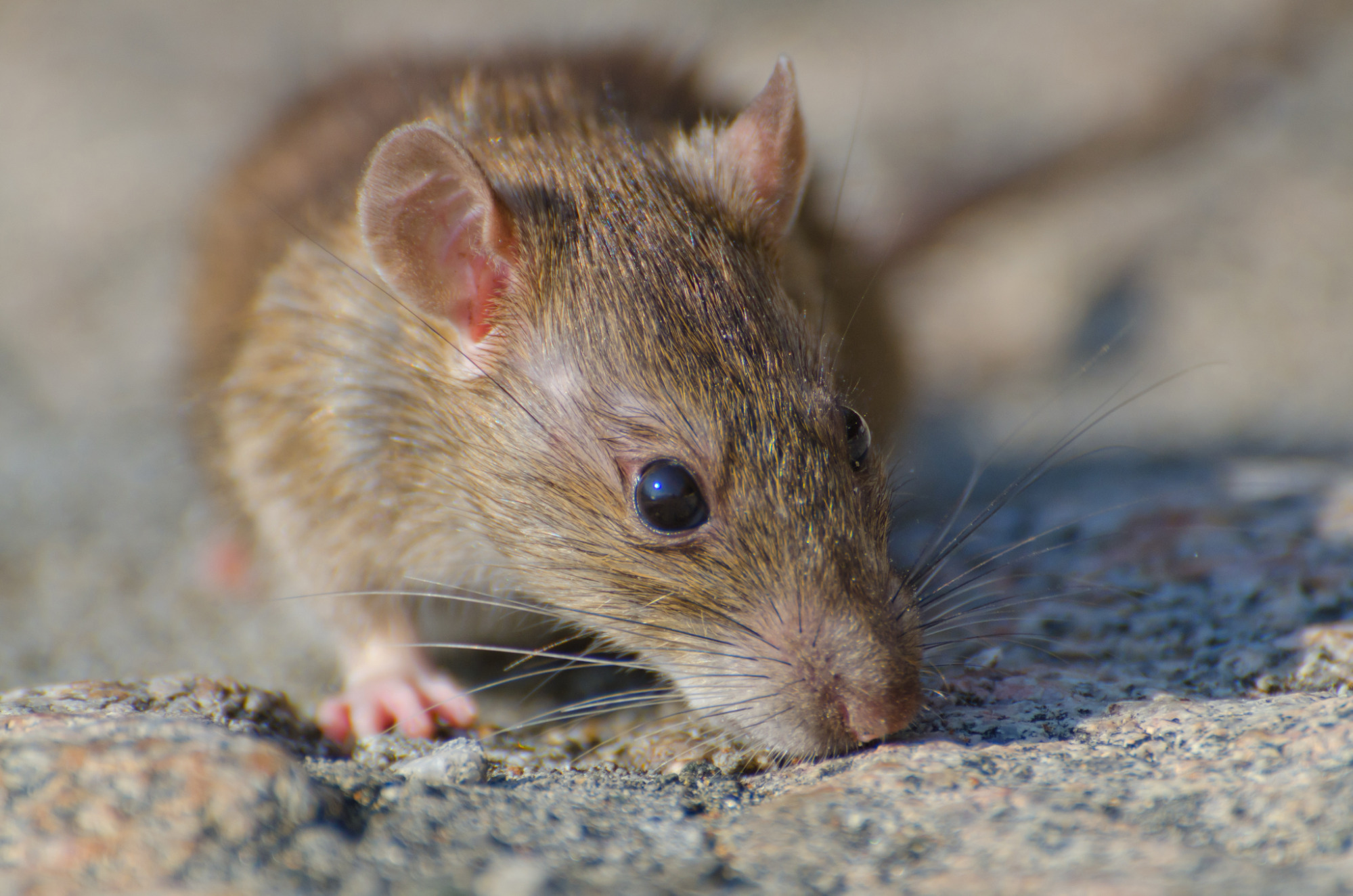
The primary reservoirs are wild rodents. These animals harbor the virus persistently, shedding it in their urine, droppings, and saliva without becoming visibly ill themselves. Human infection occurs most commonly through the inhalation of aerosolized particles from contaminated rodent excreta.
The MV Hondius outbreak, however, highlighted a critical biological exception: the Andes virus strain. Andes virus is the only hantavirus species currently documented to transmit between humans, requiring prolonged, close contact with an infected individual in confined settings.
The incubation period ranges from one to eight weeks. This exceptionally wide window complicates early detection and often means patients present to medical facilities without a clear memory of rodent exposure.
How Does Hantavirus Affect the Body?
What makes hantavirus particularly striking from a clinical standpoint is that it is non-cytopathic. This means that it does not directly destroy or rupture cells in the way many other virulent viruses do. Instead, the severe tissue damage that characterizes both HFRS and HPS is entirely driven by a profound, localized immune overreaction known as a “cytokine storm,” causing the body to work against its own vascular architecture.
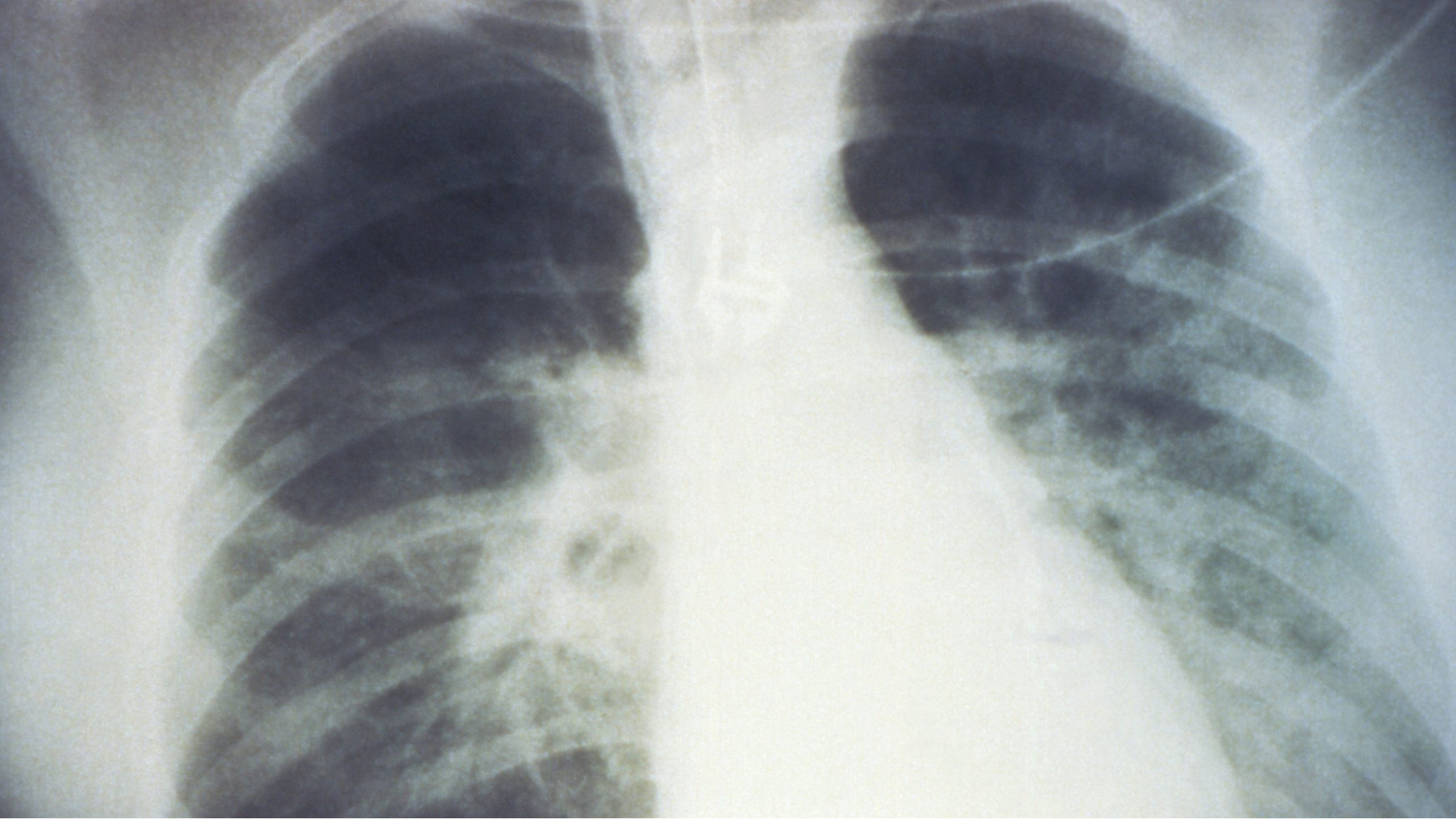
When a human inhales viral particles, the pathogen targets endothelial cells, which form the delicate inner lining of the body’s blood vessels. By binding to specific surface receptors called integrins, the virus enters the cells and multiplies. As the immune system detects the infection, it floods the affected tissues with inflammatory signaling molecules. This intense reaction causes the structural junctions between endothelial cells to loosen and collapse.
The blood vessels become incredibly leaky, dumping massive amounts of fluid into surrounding tissues. In HFRS, this systemic leakage occurs primarily in the kidneys, resulting in acute kidney injury and potential organ failure. In HPS, the capillaries in the lungs leak fluid directly into the alveoli (air sacs), effectively drowning the lungs from the inside out and starving the body of oxygen.
Who Faces the Greatest Risk?
Hantavirus risk is not strictly defined by age or underlying health status so much as by the statistical likelihood of environmental exposure:
- Occupational Groups: Agricultural workers, farmers, foresters, military personnel in field conditions, sewer workers, pest control professionals, and wildlife researchers consistently face the highest risks due to their frequent entry into spaces where wild rodents nest.
- Recreational Travelers: Campers, hikers, and rural homeowners opening long-closed, seasonal cabins are highly vulnerable when they inadvertently disturb dusty, enclosed environments.
- Demographic Vulnerabilities: While zoonotic spillover can hit healthy young adults, older populations face a steeper risk of severe clinical progression. During the 2026 MV Hondius cluster, the demographic profile played an important role, with the WHO noting that the cruise passengers had an average age of 65, which significantly heightened the potential for severe HPS.
Climate change acts as an unpredictable compounding factor. Warmer global temperatures are directly linked to larger, more widely distributed rodent populations, gradually extending the geographic zones where hantavirus-carrying animals live in close proximity to human settlements.
Treatment and Vaccines: The Critical Gaps
This is where the public health picture becomes most concerning. As of 2026, there is no broadly approved antiviral treatment for hantavirus infection, and no licensed vaccine available in most of the world.
Supportive care remains the cornerstone of clinical management:
- Standard Interventions: Intravenous fluids, blood pressure support, oxygen therapy, and intensive monitoring are vital. For severe HPS cases, early admission to an intensive care unit and immediate respiratory support, often using Extracorporeal Membrane Oxygenation (ECMO) to oxygenate the blood outside the body are crucial factors in patient survival.
- Pharmaceutical Limitations: The antiviral agent Ribavirin has shown some benefit in treating HFRS when administered within five days of symptom onset. However, the narrow treatment window and the delays inherent in routine diagnosis mean this therapeutic opportunity is frequently missed. For New World HPS strains, even Ribavirin offers limited demonstrated clinical benefit.
- The Vaccine Gap: The only vaccine currently in use globally is Hantavax, approved exclusively in South Korea, which targets the Hantaan and Seoul virus strains responsible for HFRS in Asia. It requires a rigid three-dose schedule, has shown declining immunogenicity (protection levels) over time, carries safety concerns, and offers zero protection against the New World strains responsible for lung infections (HPS). It is not approved for use in Europe or the Americas.
While research into next-generation vaccine candidates using mRNA platforms, viral vectors, and protein-based approaches remains highly active, a multi-strain, broadly protective vaccine is still years away from clinical availability.
Mitigation: What Can Be Done Now
In the absence of a universally accessible vaccine, public health agencies align on strict environmental mitigation protocols:
1. Rodent Control
The foundation of prevention relies on removing the environmental conditions that attract the viral reservoir. This includes sealing gaps in buildings, storing food and waste in rodent-proof containers, utilizing traps in high-risk indoor environments, and keeping woodpiles and debris away from main structures.
2. Safe Cleaning Protocols
Enclosed spaces with evidence of rodent activity must be ventilated by opening doors and windows for a minimum of 30 minutes before cleaning begins. Under no circumstances should droppings, nesting material, or contaminated dust be swept or vacuumed dry, as dry sweeping aerosolizes the particles into the air, creating the exact infectious mist required for transmission.
3. Disinfection and Personal Protective Equipment (PPE)
The CDC recommends thoroughly saturating affected areas with a commercial disinfectant or a 10% solution of household bleach for at least five minutes before wiping. Workers should wear rubber, nitrile, or vinyl gloves, and in confined spaces, HEPA-filtered or N95 respirators are essential. All cleaning materials must be double-bagged and disposed of safely.
Looking Ahead
Hantavirus occupies an uncomfortable space in global health: rare enough to remain off most everyday public health priority lists, lethal enough to warrant urgent international attention when it emerges, and persistent enough to reassert itself whenever ecological conditions shift. The 2026 cruise ship outbreak was not a statistical anomaly; it was a clear signal. Mitigating this persistent threat requires sustained financial commitment to next-generation multi-strain vaccine platforms, rapid point-of-care diagnostics, and improved clinical guidelines before the pathogen steps out of the shadows on its own terms.
References
- Afzal, S., Ali, L., Batool, A., Afzal, M., Kanwal, N., Hassan, M., Safdar, M., Ahmad, A., & Yang, J. (2023). Hantavirus: An overview and advancements in therapeutic approaches for infection. Frontiers in Microbiology, 14, Article 1233433.
https://doi.org/10.3389/fmicb.2023.1233433 - Aram, M., Graham, V., Kennedy, E., Rayner, E., Hewson, R., & Dowall, S. (2025). A multi-valent hantavirus vaccine based on recombinant modified vaccinia Ankara reduces viral load in a mouse infection model. Vaccines, 13(3), Article 270.
https://doi.org/10.3390/vaccines13030270 - Bradfute, S. B., Calisher, C. H., Klempa, B., Klingström, J., Kuhn, J. H., Laenen, L., Tischler, N. D., & Maes, P. (2024). ICTV virus taxonomy profile: Hantaviridae 2024. Journal of General Virology, 105(4).
https://doi.org/10.1099/jgv.0.001975 - Centers for Disease Control and Prevention. (2026, May 8). 2026 multi-country hantavirus cluster linked to cruise ship travel (Health Alert Network Notice HAN 00528). U.S. Department of Health and Human Services.
https://stacks.cdc.gov/view/cdc/256299 - Dietl, C. A., Wernly, J. A., Pett, S. B., & Cardon, L. (2008). Extracorporeal membrane oxygenation support improves survival of patients with severe Hantavirus cardiopulmonary syndrome. The Journal of Thoracic and Cardiovascular Surgery, 135(3), 579–584.
https://doi.org/10.1016/j.jtcvs.2007.12.016 - European Centre for Disease Prevention and Control. (2026, May 14). Threat Assessment Brief: Andes hantavirus outbreak aboard the expedition cruise ship MV Hondius. Stockholm, Sweden: Author.
- Lee, H. W., Lee, P. W., & Johnson, K. M. (1978). Isolation of the etiologic agent of Korean Hemorrhagic Fever. The Journal of Infectious Diseases, 137(3), 298–308.
https://doi.org/10.1093/infdis/137.3.298 - Pan American Health Organisation & World Health Organisation. (2025, December). Epidemiological Alert: Hantavirus pulmonary syndrome in the Americas. PAHO/WHO.
https://www.paho.org/en/documents/epidemiological-alert-hantavirus-pulmonary-syndrome-americas-19-december-2025 - World Health Organization. (2025). Hantavirus [Fact sheet].
https://www.who.int/news-room/fact-sheets/detail/hantavirus - World Health Organization. (2026, May 28). Disease Outbreak News: Hantavirus outbreak linked to cruise ship travel, Multi-locations (DON604).
https://www.who.int/emergencies/disease-outbreak-news/item/2026-DON604 - Ye, C., Prescott, J., Nofchissey, R., Goade, D., & Hjelle, B. (2004). Neutralizing antibodies and Sin Nombre virus RNA after recovery from hantavirus cardiopulmonary syndrome. Emerging Infectious Diseases, 10(3), 478–482.
https://doi.org/10.3201/eid1003.030320